Expert Industrial Warehouse Cleaning: Keeping It Pristine
Maintaining a clean and organized industrial warehouse is not merely an aesthetic preference; it is a critical operational imperative that directly impacts productivity, safety, and regulatory compliance. This article delves into the methodologies and considerations involved in expert industrial warehouse cleaning, presenting a comprehensive guide for achieving and sustaining pristine conditions within these complex environments.
An industrial warehouse, by its very nature, is a dynamic ecosystem of goods, machinery, and personnel. Unlike a typical office or retail space, the challenges posed by dust, debris, spills, and material handling residues are amplified. Simply sweeping visible dirt is akin to painting over rust; it offers a temporary illusion of cleanliness without addressing the underlying issues.
Understanding the Sources of Contamination
Various activities within a warehouse contribute to its contamination profile. Recognizing these sources is the first step in developing an effective cleaning strategy.
Particulate Matter Accumulation
Dust, often a pervasive issue, originates from numerous sources. These include airborne particles from manufacturing processes, forklift traffic stirring up settled dust, packaging materials disintegrating, and even the natural breakdown of concrete floors. Fine particulate matter can compromise the air quality, settle on products, and interfere with sensitive machinery.
Spillages and Leaks
Industrial warehouses frequently handle a diverse range of liquids, from lubricants and hydraulic fluids to chemicals and even food-grade products. Spills are inevitable, and their prompt and correct remediation is crucial to prevent slips, contamination of goods, and environmental hazards. The nature of the spilled substance dictates the cleaning protocol.
Product and Packaging Residues
The handling, storage, and retrieval of goods often leave behind fragments of packaging, broken pallets, strapping materials, and product remnants. These seemingly innocuous items can accumulate in corners, under racking, and in high-traffic areas, creating tripping hazards and attracting pests.
Vehicle and Machinery Wear
Forklifts, pallet jacks, and other material handling equipment, while essential, contribute to wear and tear on floor surfaces and can leave behind tire marks, grease, and exhaust particulates. Regular maintenance of this equipment, coupled with targeted cleaning, is necessary to mitigate these effects.
Pest Infestation Attractants
Food crumbs, discarded packaging, and stagnant water can attract rodents, insects, and other pests. A clean warehouse minimizes harborage points and food sources, serving as a proactive pest management strategy.
Developing a Strategic Cleaning Program: Tailoring Solutions for Specific Needs
A generic cleaning approach is rarely effective in an industrial warehouse setting. Instead, a strategic program, customized to the facility’s specific operations, layout, and regulatory requirements, is paramount. This requires an initial assessment phase followed by the implementation of a structured plan.
Initial Site Assessment and Hazard Identification
Before any cleaning commences, a thorough assessment of the warehouse environment is necessary. This involves identifying potential hazards, sensitive areas, and the most prevalent types of contamination.
Mapping High-Traffic and High-Contamination Zones
Certain areas within a warehouse will naturally experience higher levels of traffic and contamination. These include receiving and shipping docks, aisles with continuous forklift movement, processing areas, and waste disposal points. These zones require more frequent and intensive cleaning.
Identifying Sensitive Equipment and Storage Areas
Areas housing sensitive electronics, temperature-controlled storage, or delicate products require specialized cleaning techniques to avoid damage. Water-sensitive machinery or hazardous material storage necessitates specific protocols.
Assessing Regulatory Compliance Requirements
Industrial warehouses are subject to various local, national, and international regulations regarding cleanliness, waste disposal, and occupational safety. These might include OSHA standards, FDA guidelines for food-grade facilities, or EPA regulations for chemical handling. The cleaning program must explicitly address these compliance mandates.
Chemical Inventory and Safety Data Sheet (SDS) Review
A comprehensive understanding of all chemicals stored and used within the warehouse is vital. This includes reviewing Safety Data Sheets (SDS) to understand potential hazards, spill response procedures, and appropriate cleaning agents for specific substances.
Establishing Cleaning Frequencies and Methodologies
Based on the initial assessment, a schedule for cleaning tasks and the appropriate methods for each area can be developed. This ensures a consistent and effective cleaning regimen.
Daily, Weekly, and Monthly Cleaning Schedules
Routine tasks, such as sweeping, mopping high-traffic aisles, and emptying waste bins, are typically performed daily. More intensive cleaning, such as scrubbing floors, degreasing machinery bays, and detailed dusting, may occur weekly or monthly. Seasonal or annual deep cleans address areas that accumulate debris over longer periods.
Dry Cleaning Techniques
Dry cleaning methods are often employed for loose debris and light dust. These include industrial-grade sweeping, vacuuming (including HEPA-filtered vacuums for fine particulates), and compressed air for dislodging dust from hard-to-reach areas. The choice depends on the type of debris and the presence of sensitive equipment.
Wet Cleaning Techniques
For stubborn grime, spills, and soiled floors, wet cleaning is essential. This encompasses mopping with industrial detergents, using walk-behind or ride-on floor scrubbers, and pressure washing. The type of detergent used is critical and must be appropriate for the surface material and the contaminant.
Specialized Cleaning for Unique Challenges
Certain situations demand specialized cleaning. This could include remediation of hazardous material spills, decontamination of areas after pest infestations, or high-level cleaning of overhead structures and ductwork. These tasks often require certified personnel and specialized equipment.
The Role of Equipment and Technology: Enhancing Efficiency and Effectiveness
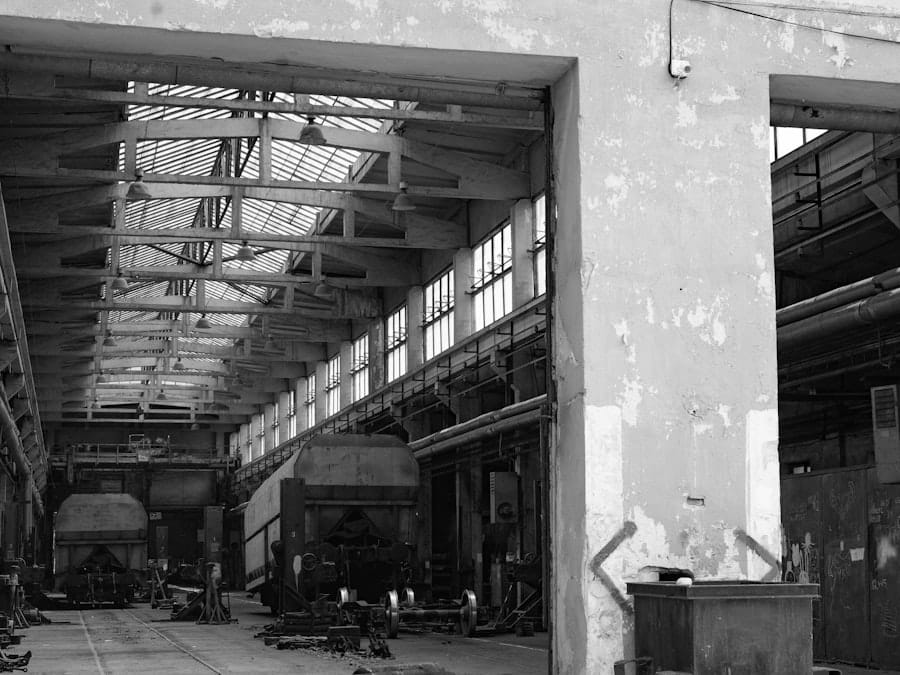
Modern industrial warehouse cleaning leverages a range of specialized equipment and technological advancements to improve efficiency, effectiveness, and worker safety. Investing in the right tools is analogous to a craftsman choosing the correct instrument for a precise job.
Industrial-Grade Cleaning Machinery
Standard domestic cleaning equipment is wholly inadequate for the demands of an industrial warehouse. Robust, purpose-built machinery is a prerequisite.
Floor Scrubber-Dryers (Walk-Behind and Ride-On)
These machines are the workhorses of warehouse floor cleaning, capable of scrubbing large areas, applying cleaning solution, and simultaneously vacuuming up the dirty water, leaving floors clean and dry. Ride-on models significantly increase productivity in expansive facilities.
Industrial Sweepers (Walk-Behind and Ride-On)
Designed to collect various types of debris, from dust to larger waste items, industrial sweepers are crucial for maintaining clear aisles and reducing particulate matter. They come with various hopper capacities and filtration systems.
High-Pressure Washers
For caked-on grime, grease, and exterior surfaces, high-pressure washers provide powerful cleaning action. Care must be taken to avoid damaging sensitive equipment or surfaces, and appropriate personal protective equipment (PPE) is mandatory.
Industrial Vacuum Cleaners (Wet/Dry and HEPA-Filtered)
Industrial vacuums are designed for heavy-duty applications, handling both wet and dry debris. HEPA-filtered versions are essential for capturing fine dust and allergens, crucial in environments where air quality is a concern or where sensitive products are stored.
Advanced Cleaning Agents and Disinfectants
The selection of cleaning chemicals is not arbitrary. It requires an understanding of their efficacy, safety, and compatibility with the surfaces being cleaned.
Degreasers and Solvents
For oil, grease, and heavy petroleum-based residues, powerful degreasers and solvents are necessary. Their application often requires specific safety protocols due to their corrosive or flammable nature.
Disinfectants and Sanitizers
In facilities handling food products, pharmaceuticals, or other sensitive goods, disinfection and sanitization are critical to prevent microbial contamination. Specific contact times and application methods must be followed for effective pathogen reduction.
Environmentally Friendly Cleaning Solutions
A growing emphasis on sustainability has led to the development of eco-friendly cleaning agents that are biodegradable, non-toxic, and derived from renewable resources. These options reduce environmental impact without compromising cleaning performance.
pH-Neutral Cleaners for General Maintenance
For routine cleaning of general surfaces, pH-neutral cleaners are preferred as they are less likely to damage finishes or create chemical residues, making them suitable for frequent use.
Safety Protocols and Training: Protecting Personnel and Property
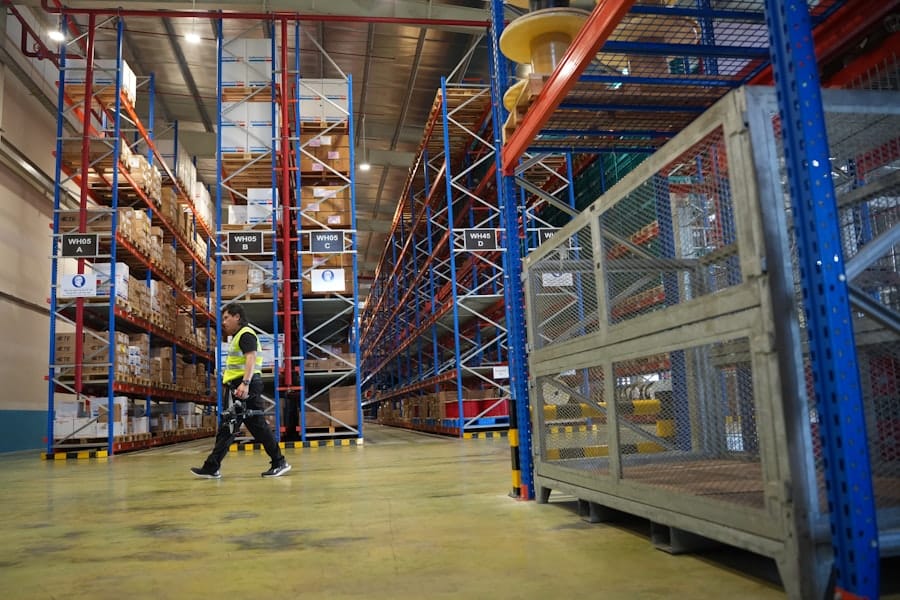
A clean warehouse is a safe warehouse. However, the cleaning process itself can introduce hazards if not properly managed. Rigorous safety protocols and comprehensive training are indispensable.
Personal Protective Equipment (PPE) Requirements
Cleaning personnel must be equipped with appropriate PPE to mitigate risks associated with chemicals, noise, and potential accidents.
Eye and Respiratory Protection
Safety glasses or goggles, face shields, and respirators (e.g., N95 masks or half-mask respirators) are essential when handling chemicals, power washing, or working in dusty environments.
Hand and Foot Protection
Chemical-resistant gloves are mandatory when dealing with cleaning agents. Steel-toe safety boots protect against falling objects and punctures, while slip-resistant soles prevent falls on wet surfaces.
Hearing Protection
Operating industrial cleaning machinery often generates significant noise. Earplugs or earmuffs are necessary to prevent noise-induced hearing loss.
Lockout/Tagout (LOTO) Procedures
When cleaning around or within machinery, strict Lockout/Tagout procedures must be observed to prevent accidental startup, which could lead to severe injuries. This involves de-energizing equipment and applying locks and tags to alert others.
Spill Response Training and Equipment
All personnel, not just cleaning staff, should be trained in basic spill response procedures. Designated spill kits, appropriate for the types of liquids handled in the warehouse, must be readily accessible.
Proper Chemical Storage and Handling
Cleaning chemicals must be stored in designated, well-ventilated areas, in their original containers with clear labeling. Staff must be trained in safe handling, dilution, and disposal procedures according to SDS guidelines.
Ventilation and Air Quality Monitoring
Adequate ventilation is critical during and after cleaning, especially when using strong chemicals or generating significant dust. Air quality monitoring helps ensure that particulate matter and chemical vapor levels remain within safe limits.
The Benefits of a Pristine Industrial Warehouse: A Return on Investment
| Service Aspect | Metric | Details |
|---|---|---|
| Cleaning Frequency | Weekly / Bi-weekly / Monthly | Customized based on facility size and usage |
| Surface Types Cleaned | Concrete, Metal, Wood, Tile | Specialized techniques for each surface |
| Average Cleaning Time | 4-8 hours per 10,000 sq ft | Depends on facility complexity and cleaning scope |
| Equipment Used | Industrial scrubbers, pressure washers, HEPA vacuums | Ensures deep and efficient cleaning |
| Safety Compliance | OSHA Standards | All cleaning procedures adhere to safety regulations |
| Waste Disposal | Recycling and hazardous waste protocols | Environmentally responsible disposal methods |
| Customer Satisfaction Rate | 95% | Based on client feedback and repeat contracts |
The meticulous effort and resources invested in expert industrial warehouse cleaning yield substantial returns that extend far beyond a visually appealing environment. It’s an investment in operational excellence.
Enhanced Safety and Reduced Accidents
A clean, clutter-free warehouse significantly reduces the risk of slips, trips, and falls, which are among the most common workplace accidents. Clear Aisles, well-marked emergency exits, and properly maintained floors contribute directly to a safer working environment.
Prevention of Cross-Contamination
In industries such as food processing, pharmaceuticals, or electronics, preventing cross-contamination is paramount. Regular, specialized cleaning with appropriate disinfectants and sanitation protocols protects product integrity.
Improved Air Quality and Employee Health
Reduced dust and airborne particulates lead to better indoor air quality, decreasing respiratory issues and allergies among staff. A healthier workforce is a more productive workforce.
Increased Operational Efficiency and Productivity
A well-organized and clean warehouse floor allows for smoother movement of goods and equipment, reducing bottlenecks and improving workflow.
Optimized Material Handling
Clear paths and well-marked storage areas streamline material handling operations, reducing the time spent searching for items and improving efficiency in receiving, picking, and shipping.
Extended Equipment Lifespan and Reduced Maintenance
Regular cleaning prevents the buildup of dust, grime, and corrosive substances on machinery, extending its operational lifespan and reducing the frequency and cost of breakdowns and maintenance.
Better Inventory Management
A clean, organized environment facilitates more accurate inventory counts, reduces the likelihood of misplaced items, and improves the overall efficiency of stock rotation.
Regulatory Compliance and Audit Preparedness
Meeting and exceeding cleanliness standards is often a legal requirement, particularly in regulated industries.
Avoiding Fines and Penalties
Non-compliance with health, safety, and environmental regulations can result in substantial fines and legal repercussions. A robust cleaning program mitigates these risks.
Maintaining Certifications and Standards
Many industries require specific certifications (e.g., ISO, HACCP) that mandate stringent cleanliness and sanitation protocols. Expert cleaning is crucial for maintaining these certifications and demonstrating due diligence during audits.
Enhanced Brand Image and Client Confidence
While often overlooked, the cleanliness of a warehouse can subtly influence a company’s reputation.
Positive Impression on Visitors and Auditors
Clients, partners, and auditors visiting your facility will form a lasting impression. A clean, well-maintained warehouse conveys professionalism, attention to detail, and operational excellence. It is a tangible demonstration of your commitment to quality and safety.
In conclusion, expert industrial warehouse cleaning is not merely a janitorial task but a strategic component of successful warehouse management. It demands a detailed understanding of the environment, a customized approach, the right equipment, stringent safety protocols, and continuous investment. The returns on this investment are multifaceted, encompassing enhanced safety, improved efficiency, regulatory compliance, and a strengthened corporate image. A pristine industrial warehouse is, therefore, not just a clean space but a testament to operational excellence and a cornerstone of sustained business success.