School and campus janitorial services in Monterey.
The effective functioning of any educational institution, from elementary schools to sprawling university campuses in Monterey, hinges upon a multitude of often-unseen but critically important services. Among these, janitorial services stand as a cornerstone, providing the essential infrastructure for health, safety, and a conducive learning environment. This article delves into the multifaceted world of school and campus janitorial services in Monterey, exploring their scope, operational methodologies, and the intricate challenges and innovations that shape their daily endeavors. Think of the janitorial team as the immune system of a school, constantly working to neutralize threats and maintain equilibrium, allowing the “body” of the institution to thrive.
The Scope and Significance of Janitorial Services
The responsibilities of a janitorial service in an educational setting extend far beyond simply “cleaning.” They encompass a holistic approach to maintaining a healthy and functional environment, directly impacting the well-being and academic performance of students and staff. Imagine a school as a complex machine; janitorial services are the meticulous maintenance crew ensuring every gear turns smoothly and every surface remains free of friction.
Daily Maintenance and Upkeep
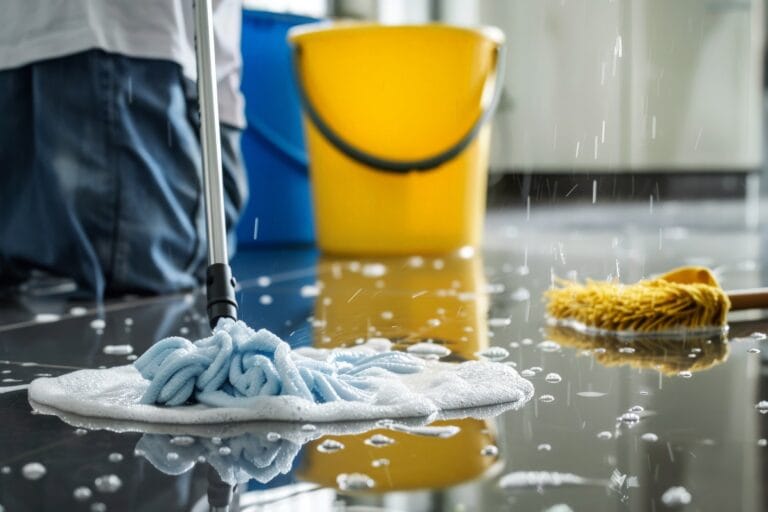
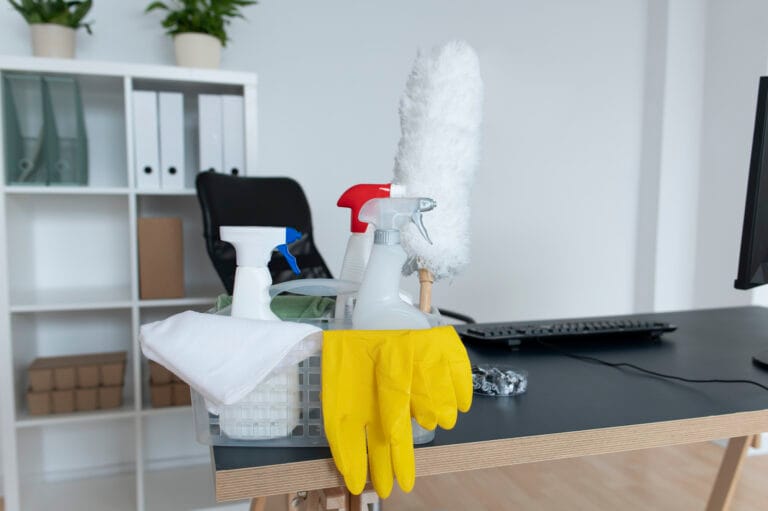
The most visible aspect of janitorial work involves the routine cleaning and maintenance tasks that keep facilities presentable and hygienic. This includes, but is not limited to, the daily cleaning of classrooms, administrative offices, libraries, laboratories, and common areas.
Classroom Sanitation
Classrooms, as the primary arenas of learning, require particular attention. Surfaces such as desks, chairs, and whiteboards are routinely disinfected to mitigate the spread of germs. Floors are swept, vacuumed, or mopped depending on the material, and waste bins are emptied. The air quality in classrooms is also indirectly supported through regular dusting and ventilation maintenance, preventing the accumulation of allergens and particulate matter that can impact respiratory health and concentration.
Restroom Hygiene
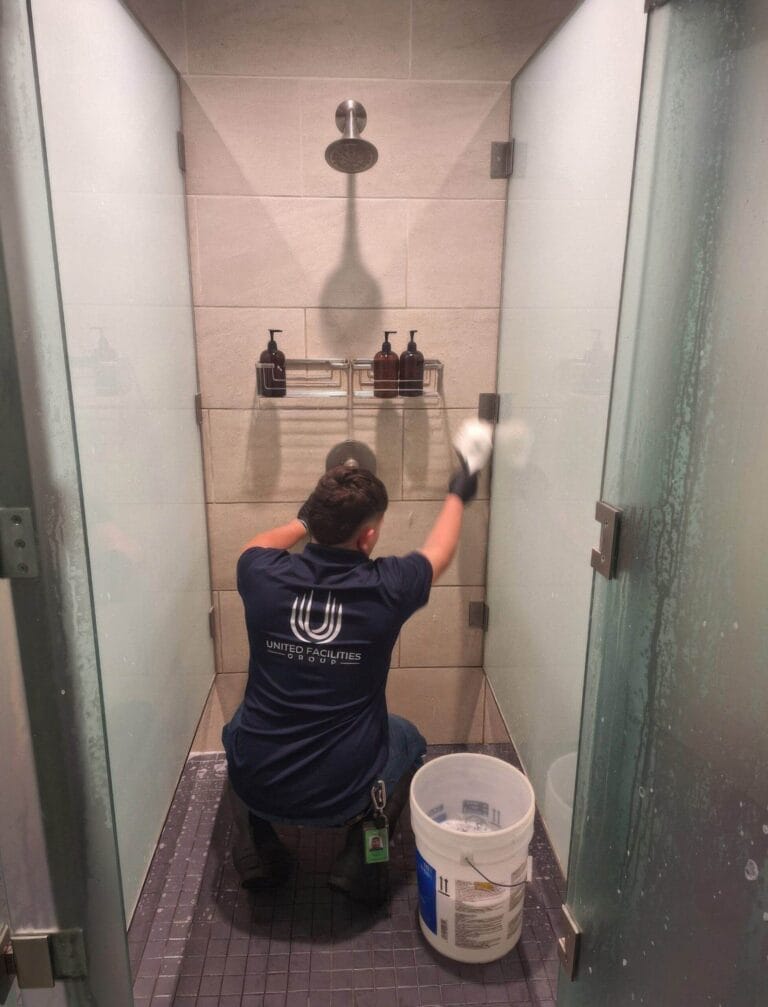
Restrooms are critical areas for maintaining public health. Janitorial staff are responsible for thorough cleaning and disinfection of all surfaces, including toilets, sinks, and urinals. Replenishing supplies such as soap, paper towels, and toilet paper is a continuous task. Proper ventilation in restrooms is also crucial to minimize unpleasant odors and the growth of mold and mildew. Think of it as a continuous battle against microscopic invaders, with the janitorial staff as the first line of defense.
Common Area Cleaning
Hallways, cafeterias, gymnasiums, and auditoriums experience high foot traffic and are prone to rapid accumulation of dirt and debris. These areas require frequent attention, including sweeping, mopping, and waste removal. During mealtimes, cafeterias demand intensive cleaning to address spills and food waste, preventing pest infestations and maintaining a sanitary eating environment.
Specialized Cleaning and Disinfection Protocols
Beyond routine cleaning, educational institutions in Monterey, often necessitate specialized cleaning protocols, especially in the context of health concerns or specific facility types.
High-Touch Surface Disinfection
In light of infectious disease outbreaks, emphasis on high-touch surface disinfection has become paramount. This involves systematically cleaning and disinfecting doorknobs, light switches, handrails, computer keyboards, and water fountain buttons. This targeted approach is a direct measure to break the chain of transmission for pathogens.
Laboratory and Workshop Cleaning
Laboratories and workshops present unique cleaning challenges due to the presence of chemicals, biological materials, and specialized equipment. Janitorial staff in these areas must be trained in specific safety protocols, including the proper handling and disposal of hazardous waste, spills, and the decontamination of work surfaces to prevent cross-contamination.
Athletic Facility Maintenance
Gymnasiums, locker rooms, and athletic fields require specialized cleaning regimes. Locker rooms, with their high humidity and communal usage, are particularly susceptible to the growth of bacteria and fungi, necessitating rigorous disinfection strategies. Athletic equipment also requires regular cleaning and sanitization to prevent the spread of skin infections.
Operational Methodologies and Best Practices
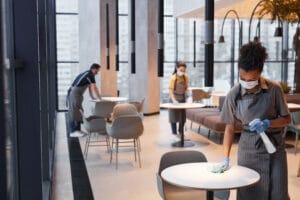
The efficiency and effectiveness of janitorial services are dependent on robust operational methodologies and adherence to industry best practices. This is not simply a matter of effort, but of intelligent planning and execution. Consider these methodologies as the choreography of cleanliness, where each step is purposeful and contributes to a harmonious outcome.
Staff Training and Certification
A well-trained janitorial team is the bedrock of quality service. Training programs should cover a comprehensive range of topics, including proper cleaning techniques, the safe use and storage of cleaning agents, chemical handling procedures, waste management protocols, and emergency response.
Specialized Equipment Operation
Modern janitorial services often utilize a variety of specialized equipment, from floor scrubbers and carpet extractors to high-pressure washers. Training ensures that staff can operate these machines safely and efficiently, maximizing their efficacy and extending their lifespan.
Health and Safety Protocols
Janitorial staff are often exposed to various hazards, including chemicals, biological contaminants, and physical strain. Comprehensive training in personal protective equipment (PPE) usage, lockout/tagout procedures for equipment maintenance, and ergonomic practices is essential for their safety and well-being.
Sustainable Cleaning Practices
In an era of increasing environmental consciousness, sustainable cleaning practices have gained significant traction. Educational institutions in Monterey, are often at the forefront of advocating for environmentally responsible operations.
Green Cleaning Products
The adoption of “green” or environmentally friendly cleaning products is a key aspect of sustainable janitorial services. These products are formulated to minimize their impact on human health and the environment, often being biodegradable, non-toxic, and free from harsh chemicals. Imagine replacing traditional, potent chemical weapons with sophisticated, targeted biodegradable agents that achieve the same result without collateral damage.
Water and Energy Conservation
Efficient use of resources is paramount. This includes implementing water-saving techniques in cleaning processes and utilizing energy-efficient cleaning equipment. For example, using microfiber cloths reduces water consumption compared to traditional cotton mops, and modern vacuum cleaners are designed for lower energy consumption.
Waste Reduction and Recycling Programs
Janitorial services play a crucial role in waste management strategies. This involves implementing robust recycling programs for various materials, minimizing the use of disposable items, and exploring composting options for organic waste generated in cafeterias.
Quality Assurance and Performance Monitoring
To ensure consistent delivery of high-quality services, effective quality assurance and performance monitoring systems are essential. This acts as the internal compass, guiding the team and ensuring they remain on course.
Regular Inspections and Audits
Scheduled inspections and audits by supervisory staff help identify areas of improvement and ensure adherence to established cleaning standards. These checks can be both visual and data-driven, using checklists and tracking systems.
Feedback Mechanisms
Establishing clear feedback channels for students, faculty, and administrative staff allows for prompt addressing of concerns and continuous improvement of services. Anonymous feedback forms, suggestion boxes, and direct communication with janitorial supervisors can all contribute to a responsive system.
Challenges and Innovations in Janitorial Services
The landscape of janitorial services is dynamic, constantly evolving to meet new challenges and embrace technological advancements. Think of the janitorial profession as a living entity, always adapting and mutating to confront new environmental pressures.
Staffing and Retention
Recruiting and retaining qualified janitorial staff can be a significant challenge. The nature of the work often involves physically demanding tasks, unconventional hours, and can be perceived as low-status.
Competitive Compensation and Benefits
Offering competitive wages, comprehensive benefits packages, and opportunities for professional development can significantly improve staff morale and reduce turnover rates.
Recognition and Appreciation
Acknowledging the vital contributions of janitorial staff through formal recognition programs and a culture of appreciation can foster a positive work environment and increase job satisfaction.
Adapting to Emerging Health Crises
The recent global health crises have underscored the critical role of janitorial services in public health and necessitate a rapid adaptation to evolving disinfection protocols and safety measures.
Advanced Disinfection Technologies
The adoption of new disinfection technologies, such as electrostatic sprayers and UV-C light sanitizers, allows for more efficient and thorough disinfection of large areas and complex surfaces. These technologies act as force multipliers, significantly expanding the reach and effectiveness of the janitorial team.
Specialized Training for Outbreak Response
Janitorial staff require specialized training in protocols for responding to infectious disease outbreaks, including proper use of PPE, waste disposal procedures for contaminated materials, and enhanced disinfection frequencies.
Technological Integration
Technology is increasingly transforming janitorial operations, offering solutions for enhanced efficiency, precision, and data-driven decision-making.
Internet of Things (IoT) for Facility Management
IoT sensors can monitor foot traffic in restrooms, indicating when cleaning is required, or track the levels of supplies, prompting timely replenishment. This data-driven approach shifts from a reactive to a proactive model of service delivery.
Robotics and Automation
While not yet widespread in all school settings, advancements in robotics are beginning to see automated floor scrubbers and vacuum cleaners being deployed in larger common areas. These robots can handle repetitive tasks, freeing up human staff to focus on more specialized cleaning and disinfection. Imagine automated sentinels meticulously patrolling the corridors, a tireless adjunct to the human workforce.
Janitorial Management Software
Dedicated software platforms can streamline scheduling, track inventory, manage work orders, and generate reports, providing valuable insights into operational efficiency and resource allocation. This software acts as the central nervous system, coordinating the various parts of the janitorial operation.
The Impact on the Learning Environment
Ultimately, the quality of janitorial services directly influences the learning environment within schools and campuses in Monterey. A clean, healthy, and well-maintained facility creates a conducive atmosphere for both teaching and learning.
Improved Student Health and Well-being
By minimizing the spread of germs and allergens, well-executed janitorial services contribute to fewer student absences due to illness, better overall health, and increased focus in the classroom. A clean environment is a silent contributor to a thriving student body.
Enhanced Academic Performance
Studies have indicated a correlation between cleaner learning environments and improved academic outcomes. Students are more comfortable, less distracted by unhygienic conditions, and feel a greater sense of pride in their surroundings.
Positive School Image and Morale
A well-maintained school projects a positive image to parents, visitors, and the wider community. For students and staff, a clean campus fosters a sense of respect for the institution and contributes to higher morale and a more pleasant daily experience. It acts as a visual affirmation of institutional care and pride.
Safety and Security
Beyond cleanliness, janitorial staff often play an indirect role in campus safety and security. They are frequently the first to notice maintenance issues that could pose hazards, such as spills, broken fixtures, or unauthorized access points, and can report them swiftly. They are the eyes and ears, adding another layer of vigilance to the campus ecosystem.
In conclusion, the janitorial services in schools and campuses across Monterey are far more than a simple custodial function. They are an integral and indispensable component of the educational ecosystem, diligently working behind the scenes to cultivate environments where minds can flourish without impediment. Their dedication to cleanliness, health, and safety forms the bedrock upon which successful learning is built, acting as the silent guardian of the academic journey. A deep understanding and appreciation of their complex work is essential for anyone involved in the operation or experience of an educational institution.